What Happens if the Police Visit Your Address for a Check and You Aren’t Home?
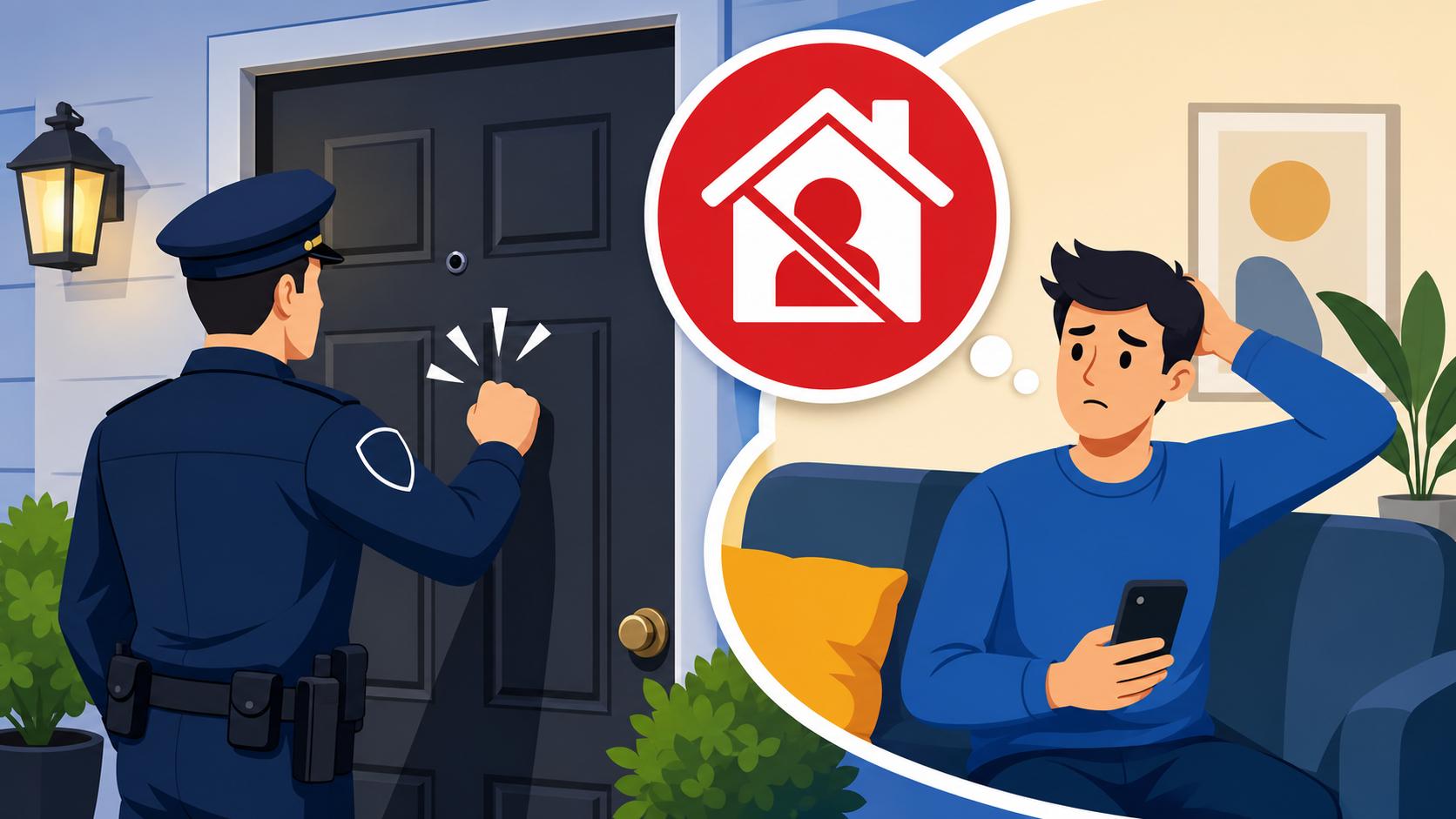
One of the most stressful experiences you can have while living in Turkey is finding out that the police came to your apartment for a residency check while you were out. I remember my first year in Istanbul, coming home from a weekend in Izmir only to have my neighbor whisper that two officers had been asking about me—my stomach absolutely dropped. This guide explains exactly why these checks happen, what the immediate consequences are if you miss one, and the specific steps you must take to ensure your residency remains valid.
Understanding the Tahkikat: Why the Turkish Police Conduct Address Checks
The process known as "Tahkikat" is an official address verification conducted by the Turkish National Police on behalf of the Provincial Migration Management (Göç İdaresi). In years past, these checks were somewhat sporadic, but they have become a standard part of the residency process. The primary goal is to ensure that foreigners are actually living at the addresses they reported and that "ghost residencies" are not being used to bypass immigration quotas.
The Shift Toward Stricter Immigration Enforcement
Over the last few years, the Turkish government has significantly tightened its grip on immigration. This is largely due to the saturation of foreign populations in certain districts, leading to the creation of a List of Closed Neighborhoods in Istanbul, Antalya, and Mersin (2026 Updates). Because of these restrictions, authorities are hyper-vigilant about verifying that an expat who claims to live in an open neighborhood isn't actually subletting or living elsewhere. If you are applying for your first ikamet or a renewal, expect a visit within the first 90 days of your application.
The Role of the Neighborhood Muhtar and Kapıcı
The police don’t just look for you; they look for evidence of your life. They will often visit the "Muhtar" (the elected neighborhood head) or speak to your "Kapıcı" (the building caretaker/doorman). The Muhtar keeps a registry of everyone in the neighborhood, which is why Address Registration (Nüfus): The Most Critical Post-Arrival Step for Foreigners is so vital. If the Muhtar tells the police they have never heard of you, it creates a massive red flag. Similarly, your neighbors or the Kapıcı are often the ones who will confirm whether you actually reside there or if the apartment is sitting empty.
Why the Timing is Often Unpredictable
There is no "appointment" for a Tahkikat. The police may show up at 8:00 AM on a Tuesday or 7:00 PM on a Saturday. They generally aim for times when people are likely to be home, but their schedule is determined by their own internal patrol routes. This unpredictability is what causes the most anxiety, as many expats feel like they are "trapped" in their homes waiting for a knock that might not come for weeks. Understanding Why the Police Do Random Address Checks (Tahkikat) for New Residence Permits helps frame this not as a personal investigation, but as a mandatory bureaucratic checkbox.
The Moment You Realize You Missed the Visit: Immediate Consequences
If the police knock and you aren't there, they don't immediately deport you. However, they don't just "try again tomorrow" either. They follow a specific protocol that moves your file from the "pending" pile to the "suspicious" pile.
The Official Tutanak (Report) Process
When the police cannot find you, they typically interview a neighbor or the building management. If no one can confirm you live there, they will draft a "Tutanak"—a formal report stating that the applicant was not found at the declared address. This report is then sent back to the Göç İdaresi. This can lead to your residency being "suspended" or your pending application being rejected. If you find yourself in this situation, you might need to provide certified translations of your documents or proof of residence; services like RushTranslate can be invaluable for quickly translating utility bills or bank statements from your home country to prove your identity and history.
The Risk of Immigration V-Codes
Missing an address check without a valid excuse can sometimes result in a "V-code" being attached to your electronic file. These are administrative codes that indicate a problem with your status. To understand the gravity of this, you should read up on Immigration V-Codes: What They Mean When Placed on Your Immigration Record. Some codes are merely for "information," while others can trigger a re-entry ban if you leave the country before resolving the issue. Having a comprehensive health policy, like those offered by Cigna Global, can sometimes help show your intent for long-term residency and stability during these administrative reviews.
Neighbors as Your First Line of Information
Usually, you find out about a missed visit from your neighbors. In Turkish culture, neighbors are very observant. If you hear that the police were asking for you, do not ignore it. The worst thing you can do is wait for the Göç İdaresi to contact you. By the time they send an SMS or an email, your residency might already be in the process of being canceled. Proactive communication is the only way to save your status.
| Type of Verification | Who Conducts It | Evidence Gathered | Potential Outcome of Absence |
|---|---|---|---|
| Initial Tahkikat | Local Police | Physical presence, neighbor testimony | Application rejection or delay |
| Random Spot Check | Gendarmerie/Police | Household items, "lived-in" look | Suspension of active Ikamet |
| Nüfus Verification | Civil Registry Staff | Match with Muhtar records | Fines for incorrect address registration |
| Work Permit Check | Ministry of Labor | Employment activity at site | Work permit cancellation |
Step-by-Step Recovery Plan: What to Do Next
If you’ve missed the visit, panicking is natural, but action is better. You need to prove to the state that your absence was temporary and that you are a legitimate resident.
Verifying Your Status via e-Devlet
Your first move should be to log into your e-Devlet account. This portal is the heart of Turkish digital bureaucracy. Check your residency status and see if there are any notifications. You should also download your How to Obtain an Official Address Certificate (Yerleşim Yeri Belgesi) on e-Devlet to ensure that you are still officially registered at that location. If your address suddenly appears as "unregistered," it means the police report has already triggered a system update, and you are in "limbo."
Visiting the Provincial Migration Office (Göç İdaresi)
You cannot resolve a missed address check over the phone. You must go to the specific Göç İdaresi branch that is handling your file. If your application is still pending, go to the "Information" or "Short-Term Residency" desk. Explain that you were out (shopping, at work, at the doctor) and that you heard the police visited. Bring your passport, your How to Notarize Your Rental Contract for a Residence Permit Application documents, and recent utility bills (electricity/water) in your name. If you have been traveling, bring your bus or flight tickets to show you were only away temporarily.
Using YİMER 157 for Guidance
If you are confused about which office to visit or what documents are currently missing from your file, you can call the foreigner helpline. Navigating YİMER 157: How to Use the Foreigner Helpline for Immigration Queries can provide you with English-speaking support, though they often have limited access to the specific "Tutanak" details drafted by the local police station. They can, however, tell you if an official rejection letter has been issued.
Proactive Measures to Avoid Future Red Flags
The best way to handle a police visit is to ensure it is successful the first time. If you know you are in the "waiting period" for your card, you need to be strategic about your daily life.
Maintaining Good Relations with the Muhtar
I cannot stress this enough: go meet your Muhtar. Bring a small gift if you like, but at the very least, make sure they have your name and phone number on file. When the police ask, "Does a foreigner live in apartment 4?", you want the Muhtar to say, "Yes, that's Mike, he's a good neighbor, he's lived there for six months." This one sentence can save you months of legal headaches. If you have moved recently, ensure you have followed the rules for Moving Apartments: How to Change Your Address at the Nüfus Office Within 20 Days.
Use the UETS System
The Turkish government now uses an electronic notification system called UETS. If there is a problem with your address check, they may send an official legal notice to this digital mailbox. Setting this up is now mandatory for many residency types. Follow the UETS Setup: Getting Your PTT Electronic Mailbox as a Foreign Resident guide to ensure you don't miss any "final warnings" from the immigration department.
Preparation of Documents
Keep a folder near your door with copies of your rental agreement, your tax ID, and your current insurance policy. If you have a private policy through Cigna Global, keep the Turkish summary page handy. If the police visit while a roommate or spouse is home, they can immediately show these documents to the officers, which often satisfies the requirement even if you aren't personally standing in the living room at that exact moment. For any official foreign documents you might need to present during an appeal, such as a proof of remote work or pension, using a certified service like RushTranslate ensures the Göç İdaresi accepts them without question.
What Happens if Your Residency is Canceled?
In the worst-case scenario, the missed visit leads to an Ikamet Rejections: Exact Steps on What to Do If Your Residence Permit is Denied. This is not the end of the world, but it is a very expensive and time-consuming problem.
The 10-Day Grace Period
Usually, if your residency is canceled due to an address discrepancy, you will be given a document stating you must leave the country within 10 days. During this window, you can file an appeal in the administrative court. However, an appeal does not always "freeze" your requirement to leave. You should consult with a legal professional immediately if you receive a "Tebligat" (official notification) of cancellation.
Avoiding the "Closed Neighborhood" Trap
If you realize your address check failed because you are actually living in an area where foreigners are no longer allowed to register, you have a much larger problem. Check your location against the Understanding Closed Neighborhoods: A Guide to Areas Where Foreigners Cannot Register list. If you are in a closed zone, the Göç İdaresi will not accept a "correction" of your address; you will likely be forced to move to an open neighborhood and start the application process from scratch.
Re-Entry and New Applications
If you are forced to leave because of a missed check, you can usually re-enter Turkey as a tourist (depending on your nationality's visa rules) and try again. However, you will have to wait for a certain period before applying for the same type of residency. Being proactive, talking to your neighbors, and keeping your Biometric Appointments (Randevu) at the Provincial Migration Office (Göç İdaresi) records pristine is the only way to avoid this cycle.
Important Disclaimer
The information provided in this guide is for informational purposes only and does not constitute legal advice. Turkish immigration laws, including address verification protocols (Tahkikat) and neighborhood registration rules, are subject to frequent changes by the Ministry of Interior and the Presidency of Migration Management. While we strive to provide the most accurate and up-to-date information for 2026, you should always consult with the official Göç İdaresi website, call the YİMER 157 helpline, or speak with a licensed Turkish immigration attorney regarding your specific residency case. Missing an address check can lead to serious administrative consequences, including the cancellation of your residence permit and potential entry bans.