Networking in Istanbul: Chambers of Commerce and Professional Expat Groups
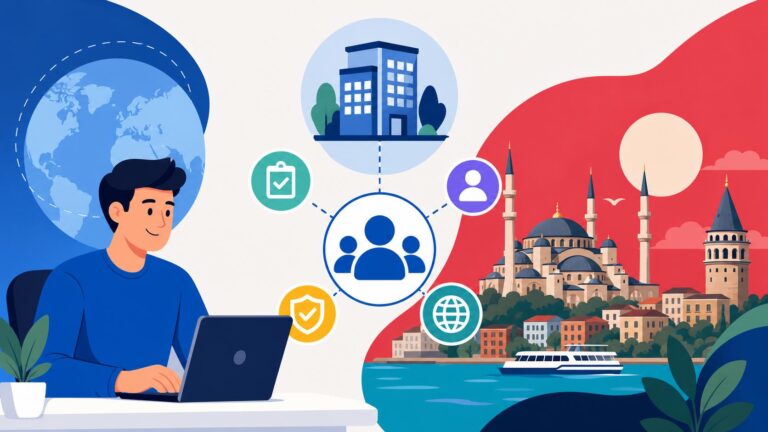
Finding a professional foothold in Istanbul often feels like trying to navigate the Grand Bazaar without a map; the sheer volume of connections can be overwhelming, and the "it's not what you know, but who you know" rule is more prevalent here than almost anywhere else. I spent my first six months in the city sending out hundreds of cold CVs before I realized that in Turkey, the real business happens over a tulip-shaped glass of tea, not a digital application. This guide solves that isolation by detailing the essential chambers of commerce and expat groups you need to join to turn your Istanbul stay into a successful career or business venture.
The Cultural Blueprint of Turkish Networking
In Istanbul, networking is not a transactional event that begins at 6:00 PM and ends with a LinkedIn request. It is a deeply social, high-trust endeavor that often starts long before business is ever mentioned. When you enter a room of Turkish professionals, you aren't just a representative of your company; you are a person seeking to build güven (trust). Without trust, the most impressive resume or business proposal in the world will likely gather dust on a desk in Levent.
I remember my first "networking" meeting with a potential partner in Kadıköy. I had my pitch deck ready and my laptop charged. We spent forty-five minutes talking about our families, our favorite neighborhoods in the city, and the quality of the breakfast we’d had that morning. Only in the final five minutes did we discuss the contract. This is a standard part of Turkish Business Culture: Communication Styles, Meetings, and Etiquette that every foreigner must learn to navigate. If you rush to the "point," you may be perceived as rude or untrustworthy.
The term torpil is something you will hear often. It refers to using personal connections to gain an advantage. While the word can have a negative connotation, in a professional sense, it simply means that a warm introduction is worth a thousand cold emails. This is why being physically present at events is non-negotiable. While you can certainly use tools like TurkishPod101 to sharpen your greeting skills, the magic happens when you show up, stay late, and participate in the inevitable "post-meeting dinner."
Foreign Chambers of Commerce as Your Professional Anchor
For many expats, the foreign chambers of commerce are the most logical starting point. these organizations act as a bridge between your home country's business style and the local Turkish market. They provide a "safe space" where you can meet other foreigners who have faced the same administrative hurdles, while also providing direct access to high-level Turkish executives who are interested in international partnerships.
The British Chamber of Commerce in Turkey (BCCT) is one of the oldest and most prestigious. Based in a beautiful historic building in Tepebaşı, they host regular "Garden Parties" and networking breakfasts. These aren't just for British citizens; they are for anyone involved in international trade. If you are Working in Turkey as a Foreigner: Jobs, Permits, and Hiring Trends (2026), attending a BCCT event can give you insights into which sectors are currently sponsoring visas and which are tightening their belts.
Similarly, the German-Turkish Chamber of Industry and Commerce (AHK) and the American Business Forum in Turkey (AmCham) are powerhouses. The AHK is particularly influential in the manufacturing and engineering sectors, while AmCham tends to attract the big tech and pharmaceutical players. These chambers often hold joint events, creating a massive pool of potential contacts. Before attending, I highly recommend using TurkishPod101 to practice your formal introductions, as these events can be more traditional than your average startup mixer in London or New York.
Expat-Specific Professional Groups and Niche Communities
Beyond the formal chambers, Istanbul has a vibrant scene of expat-led professional groups. These are often more casual and provide a space to vent about the frustrations of the residency process while simultaneously trading leads on new projects. Internations is the most well-known, with its "Professional Networking" subgroup in Istanbul hosting monthly events at upscale venues in Beşiktaş or Nişantaşı.
For women in the city, groups like "International Women of Istanbul" (IWI) have professional branches that offer incredible support. Navigating a male-dominated business environment can be tricky, and these groups provide mentorship that is invaluable. When I first arrived, the advice I got from a female expat who had been here for ten years was worth more than any textbook. She taught me how to handle Hierarchy in Turkish Companies: Properly Using 'Bey' and 'Hanım' in the Office without losing my own professional identity.
The tech and creative sectors have their own hubs as well. Istanbul is home to a growing number of digital nomads and freelancers who frequent Top Co-working Spaces in Istanbul for Tech Entrepreneurs and Digital Nomads. Places like Kolektif House or Impact Hub Istanbul aren't just offices; they are communities. They host "Demo Days" and "Founder Mixers" where the atmosphere is far less formal than the chambers of commerce. In these circles, having a few phrases from TurkishPod101 to explain your "startup" or "freelance" status will earn you immediate respect from the local entrepreneurs.
Navigating the Local Turkish Chambers (The ODAs)
If you are planning to start a company or work deeply within the local market, you cannot ignore the local Turkish chambers, known as Odalar. The Istanbul Chamber of Commerce (ITO) is one of the largest in the world. Registering with them is mandatory for most businesses, and they offer a wealth of data, seminars, and networking opportunities. However, the environment here is 100% Turkish.
The Istanbul Chamber of Industry (ISO) is another heavyweight. These organizations are where you find the "old guard" of Turkish business—the families and conglomerates that have run the city's economy for decades. Attending an ISO seminar might seem daunting because of the language barrier, but it is exactly where you should be if you want to find a local distributor or a manufacturing partner. This is when your Business Turkish: Essential Vocabulary and Phrases for Emails and Meetings becomes your greatest asset.
Don't overlook the smaller industry-specific guilds. Whether it's the association for architects, the union of exporters, or the textile manufacturers' group, these organizations hold the keys to specific sectors. They often host "Iftar" dinners during Ramadan, which are prime networking opportunities. Even if you aren't religious, being invited to an Iftar is a sign of professional acceptance. Using TurkishPod101 to learn the specific etiquette for these dinners will ensure you don't accidentally offend your hosts.
The Role of Language in Professional Success
It is a common mistake to assume that because you are in a "global city" like Istanbul, everyone in the business world speaks English. While the upper management of most firms will be fluent, the middle management and the people who actually get things done may not be. Even in high-level networking, speaking a few sentences of Turkish changes the energy in the room. It shows that you aren't just a passerby, but someone invested in the country.
I found that my networking success tripled once I could manage the "first five minutes" in Turkish. Being able to ask about someone’s hometown or comment on the weather without a translator creates an immediate bond. I used the audio lessons on TurkishPod101 during my long commutes on the Metrobus to master these small-talk essentials. It’s about more than just words; it’s about understanding the Office Tea Culture (Çay): Surviving and Enjoying Turkish Workplace Socializing and the social cues that accompany it.
Furthermore, language allows you to participate in "Language Exchange" meetups. While these might seem social, many of the locals attending are professionals who want to practice their English. I’ve met lawyers, doctors, and engineers at language swaps in Kadıköy who eventually became clients or introduced me to their HR departments. It is a fantastic backdoor strategy for Job Hunting in Turkey: Step-by-Step Strategy for English-Speaking Expats without the pressure of a formal interview.
| Networking Group Type | Target Audience | Atmosphere | Best For |
|---|---|---|---|
| Foreign Chambers (BCCT, AHK) | International Corps & Expats | Formal / Traditional | High-level partnerships & Visas |
| Local Chambers (ITO, ISO) | Turkish Business Owners | Very Formal / Local | Market data & Local distribution |
| Internations / IWI | Expats & Global Minds | Social / Professional | Peer support & General leads |
| Co-working Hubs | Tech, Nomads, Creatives | Casual / Modern | Freelance gigs & Tech partnerships |
| Language Exchanges | Locals & Foreigners | Very Casual | Informal intros & Cultural learning |
Strategic Tips for Effective Istanbul Networking
When you head out to these events, there are a few "unspoken rules" you should follow to be successful. First, always carry more business cards than you think you need. Even today, the physical exchange of a card is a ritual in Turkey. When you receive a card, look at it, acknowledge the person’s title, and place it carefully in a holder or on the table in front of you. Never just shove it into your back pocket; it is seen as a sign of disrespect to the person's professional status.
Second, the follow-up should be personal. After meeting someone at a chamber event, don't just send a generic LinkedIn invite. Send a message referencing something specific you discussed—perhaps a restaurant recommendation or a shared opinion on a neighborhood. If you want to impress, include a small Turkish greeting you learned from TurkishPod101. It shows effort. If you are serious about long-term success, consider Learning Turkish for Life and Work: TÖMER, Language Schools, and Self-Study to transition from "the expat" to "the colleague."
Finally, leverage the geography of the city. Networking in Maslak (the financial district) is very different from networking in Karaköy (the creative hub). Dress accordingly. Maslak requires a "suit and tie" level of formality, while Karaköy is more "business casual." Being aware of these regional nuances is part of being a veteran expat. Istanbul rewards those who are observant and adaptable.
Leveraging Digital Platforms for Real-World Connections
While I’ve emphasized physical presence, digital platforms are the engine that keeps your networking alive between events. LinkedIn is used heavily in Turkey, but it functions differently. It is often used to "check" someone’s background after a meeting rather than to initiate a relationship. Make sure your profile clearly states your residency status, as employers are often hesitant to engage if they think you are just a tourist.
There are also specific Facebook groups like "Istanbul Expats" or "Expat Professionals in Istanbul" that are surprisingly active for lead generation. However, be wary of "consultants" who promise to handle everything for a fee. Real networking shouldn't cost you money beyond the membership fees of a chamber or the price of a coffee. If you’re struggling with the technical terms for your profile, TurkishPod101 has excellent resources on professional titles and industry vocabulary.
In your digital interactions, remember to maintain the same level of politeness you would in person. Use titles like "Bey" and "Hanım" until you are explicitly told to use first names. This small detail can be the difference between getting a response and being ignored. Istanbul is a city of layers, and once you peel back the first few through consistent networking, you'll find a professional community that is incredibly warm, loyal, and ready to help you succeed.
Disclaimer regarding Professional Networking and Employment
This guide is intended for informational purposes to help expats navigate the social and professional landscape of Istanbul. Networking and joining chambers of commerce do not guarantee employment or the issuance of a work permit. All foreigners must comply with the prevailing labor laws and immigration regulations of the Republic of Turkey. Please consult with a certified legal professional or the Ministry of Labor for specific advice regarding your individual work permit application or business registration.