Navigating the PTT Postal System and Private Courier Deliveries (Kargo)
Waiting for a package in Turkey can feel like an emotional roller coaster, especially when you are trying to decipher cryptic tracking updates in a language you haven't mastered yet. I remember my first month in Izmir, frantically chasing a delivery van down a narrow side street because I missed the doorbell by five seconds. This guide settles the confusion by explaining exactly how the PTT postal system and private kargo companies operate so you can receive your mail without the headache.
Understanding the PTT: The State-Run Postal Giant
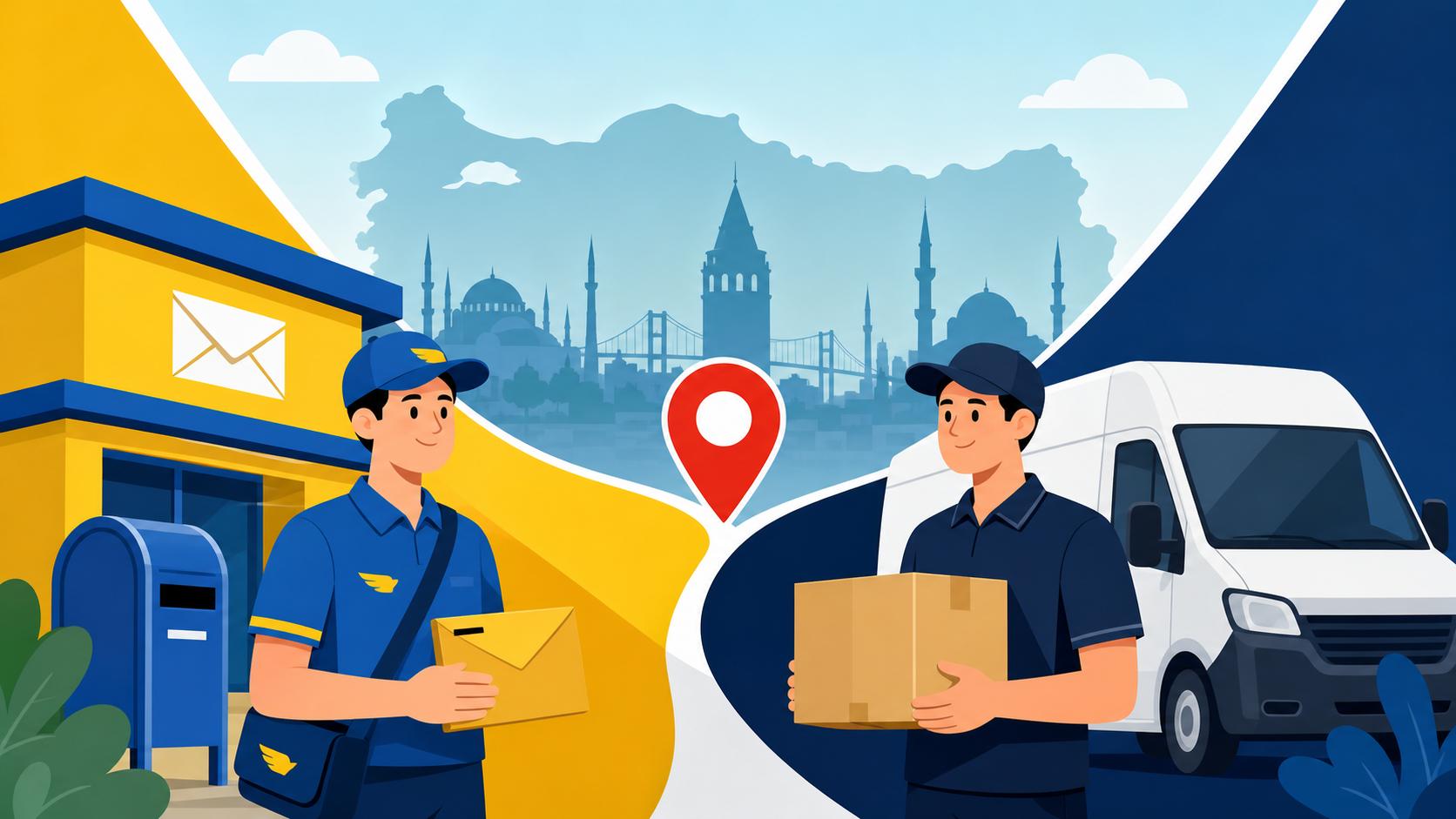
The Posta ve Telgraf Teşkilatı, universally known as PTT, is the backbone of Turkish logistics. recognizable by its bright yellow and navy blue signage, PTT is much more than just a place to send letters. For an expat, PTT is a central pillar of administrative life. It is the entity responsible for delivering your official residence permit card, and it is often the most reliable way to handle international mail coming through state postal services from your home country.
One of the first things you will notice is that PTT offices are often crowded. This is because they also function as a bank. You can pay your utilities, collect your pension, and even top up your HGS (High-Speed Passage System) for highway tolls here. Because of this multi-functional nature, the queues can be long. When you enter, look for a ticket machine. You will usually need to select a category—look for "Posta" for mail-related services.
A specific tip I learned early on: if you are waiting for your residence permit, you should be proactive. You can use the PTT website or app for Tracking Your Newly Printed Ikamet Card Delivery via PTT Tracking Codes. If the courier "couldn't find you," the card usually sits at the neighborhood PTT branch for a limited time before being sent back to the provincial migration office. Always keep your passport or a copy of your application document handy when visiting the branch, as they will not hand over official documents without strict identity verification.
Navigating the Private Kargo Ecosystem
While the PTT handles the official stuff, the private "kargo" companies dominate the e-commerce world. If you are ordering from local giants like Trendyol or Hepsiburada, or using Amazon Turkey, you will likely encounter brands like Yurtiçi Kargo, Aras Kargo, MNG Kargo, and Sendeo. These companies are generally faster than the state post, but they operate with an intensity that can be startling to newcomers.
Private couriers in Turkey are paid for speed and volume. This means they often won't wait long at your door. If you live in a "site" (a gated apartment complex), the delivery person will usually leave the package with the security guard or at the gatehouse. This is where living in a professionally managed building, such as those provided by Blueground, can be a massive advantage, as they often have established protocols for handling resident deliveries.
If you don't live in a gated complex, the "Geldik, Yoktunuz" (We came, you weren't there) experience is inevitable. Usually, you will receive an SMS with a link to track the driver's location or a notification that your package has been dropped at a "teslim noktası" (delivery point), which could be a local convenience store or a specialized locker. You have about three days to pick it up before it is returned to the sender.
| Company Name | Best For | Typical Reliability | Branch Network |
|---|---|---|---|
| PTT Kargo | Government Docs & International | Moderate / Slow | Extensive (Every Village) |
| Yurtiçi Kargo | Business & Speed | High | Very Large |
| Aras Kargo | General E-commerce | Moderate | Large |
| Trendyol Express | Fashion & Small Goods | High (In Cities) | Growing / Local Shops |
| Amazon Logistics | Amazon Turkey Orders | Very High | Direct to Door |
Mastering the Turkish Address Format
The biggest hurdle for most foreigners is the address format. It is hyper-specific and follows a hierarchy that might feel backward if you are used to Western formats. If your address is slightly off, the kargo driver—who is often navigating 100+ deliveries a day—might simply mark it as "Adres Yetersiz" (Inadequate Address) and move on.
A standard Turkish address looks like this:
- Name & Surname
- Mahalle (Neighborhood)
- Cadde (Main Road) or Sokak (Street)
- Apartman Name / No / Daire No (Building Name, Building Number, Apartment Number)
- İlçe / İl (District / City)
For example, if you are Using e-Devlet to Register Your Address at the Local Nüfus Directorate, pay very close attention to how the system formats your home. You must include the "Mahalle" because many districts have streets with the same name. Also, do not forget your phone number. In Turkey, your mobile number is your primary identity for logistics. Drivers will often call or WhatsApp you if they can't find the building. If you are out and about, having a reliable data connection via Airalo ensures you never miss that crucial call from a confused delivery driver.
International Deliveries and the Customs Hurdle
Ordering items from outside Turkey is a whole different beast. Turkey has strict customs regulations that change frequently. As of 2024 and 2025, the thresholds for duty-free imports are very low (generally around 30 Euros for personal goods). Anything above that will trigger a "Gümrük Vergisi" (Customs Tax), which you will usually have to pay upon delivery or via a link sent by the courier.
When you order from international sites like Amazon (Global) or eBay, the shipping company (usually DHL, UPS, or FedEx) will act as your customs broker. They will often send you a text message asking for your "T.C. Kimlik" number or your Foreigner ID number. If you haven't received your residency yet, you can sometimes use your passport number, but it often causes delays. This is another reason why Getting a Turkish Tax ID (Vergi Numarası) Online via Dijital Vergi Dairesi early in your stay is so vital—it serves as a fallback identifier for many financial and logistical transactions.
Be aware of prohibited items. Cosmetics, supplements, and electronics are frequently flagged or held at the border. To avoid this, try to source what you need through local channels like Amazon Turkey, which handles the import logistics for you and displays the final price including all taxes at checkout.
Digital Tools and the UETS System
Turkey is rapidly digitizing its administrative services, and the postal system is no exception. As an expat, you should become familiar with the National Electronic Notification System, or UETS. This is an electronic mailbox that is increasingly being used by government agencies to send official notices instead of physical paper mail.
If you are a resident, you will likely need to go through the UETS Setup: Getting Your PTT Electronic Mailbox as a Foreign Resident. You can do this at any major PTT branch with your residence permit and your phone. Once set up, you will receive SMS notifications whenever a government body—like the tax office or the courts—sends you a document. This is far more secure than relying on a physical mailbox in an apartment lobby where anyone could grab your mail.
Furthermore, many kargo companies now offer "SMS codes" for delivery. Instead of signing a digital pad (which is unhygienic and hard to track), the driver will ask for a 4-digit code sent to your phone. Never give this code until you physically have the package in your hands. It acts as your legal signature.
Troubleshooting Common Delivery Issues
What happens when things go wrong? And they will. If your package is marked as delivered but isn't there, your first stop shouldn't be the call center—it should be your "Kapıcı" (Building Manager) or the nearest "Bakkal" (Corner Store). In many traditional neighborhoods, couriers leave packages with trusted local shopkeepers if they know the resident is out.
If you are facing a serious issue, like a lost international shipment or a dispute over Customs Taxes on International Amazon Packages Delivered to Turkey, you will need to go to the specific branch handling your neighborhood. "General" call centers in Turkey can be difficult to navigate without fluent Turkish. It is always better to go in person, show your tracking number on your phone, and use a translation app if necessary.
Another common issue is when the address on your residence permit application doesn't match your actual location. If the police have conducted a check and found you aren't living where you said you were, your mail (including your permit) might be blocked. This is why it's critical to know What to Do If Someone Else is Already Registered at Your Turkish Address to ensure your records are clean. Also, remember that for any official document to be valid for mail or legal purposes, you might need to know How to Notarize Your Rental Contract for a Residence Permit Application so the PTT has a verified record of your residence.
Practical Tips for Stress-Free Deliveries
To survive the Turkish kargo system, you need to be a bit more proactive than you might be in London or New York. Here is my personal "expat checklist" for successful deliveries:
- Always use a Turkish Phone Number: This is non-negotiable. If you are still using a foreign SIM, you won't receive the delivery codes or the driver's phone calls.
- Add Landmarks to Your Address: In the "Address Line 2" or "Notes" section, add something like "BİM marketin üstü" (Above the BIM supermarket) or "Mavi bina" (The blue building). This helps the driver immensely.
- Use the Branch Pickup Option: If you know you won't be home, most apps allow you to choose "Şubeden Alacağım" (I will collect from the branch). It’s much safer than leaving a package on a doorstep.
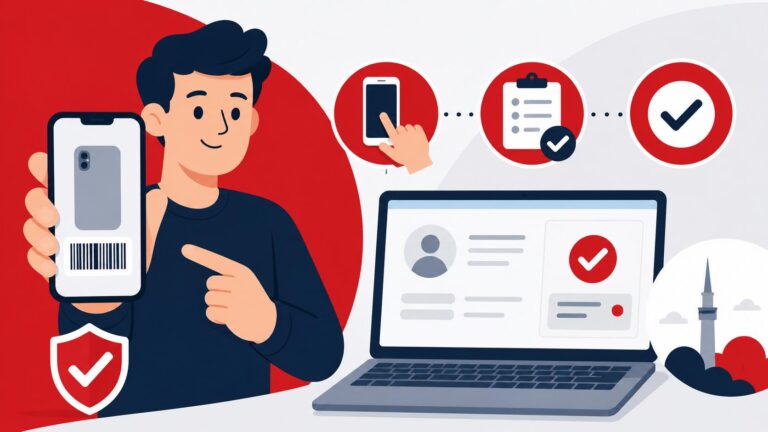
- Be Aware of the IMEI Rule: If you are ordering a phone from abroad, remember The Turkey IMEI Rule: How to Register Foreign Phones in 2026. A phone delivered via kargo from abroad will still need its tax paid to work on local networks.
- Check for Damaged Goods Immediately: If a box looks like it’s been through a war zone, do not give the delivery code. Ask the driver to wait while you check the contents, or refuse the delivery so they can file a "Hasar Tespit Tutanağı" (Damage Assessment Report).
Living in Turkey is an adventure, and the "kargo culture" is just another part of the experience. Once you understand the rhythm of the PTT and the frantic pace of the private couriers, you'll find that the system is actually quite efficient—it just requires a bit of local know-how and a lot of patience.
Disclaimer
This guide is for informational purposes only and reflects the personal experiences of the author and the general state of the Turkish postal system as of 2026. Regulations regarding customs taxes, PTT procedures, and private kargo policies can change without notice. Always verify specific requirements with the official PTT website or a legal professional before shipping high-value or sensitive items.