Understanding the KDV (VAT) Refund Scheme for Non-Resident Tourists at Airports
Walking through the high-end shops of Nişantaşı or the massive Istinye Park mall, you’ve likely felt the sting of Turkish price tags, which often include a hefty 20% Value Added Tax. I remember my first big purchase in Istanbul—a designer leather jacket—and the sinking feeling I had when I realized I’d missed out on a significant refund just because I didn't ask for a specific piece of paper. This guide breaks down exactly how to navigate the KDV refund scheme at Turkish airports so you can get your money back before flying home.
What is KDV and Why Does Turkey Refund It
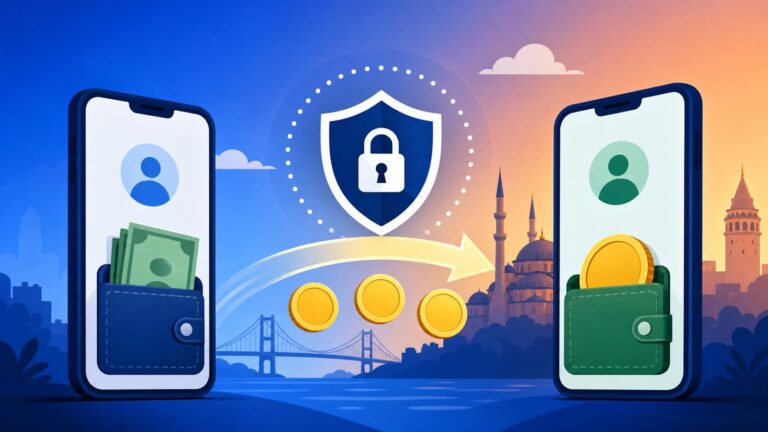
Value Added Tax, known locally as Katma Değer Vergisi or KDV, is a consumption tax placed on almost every product and service in Turkey. For the Turkish government, it is a primary source of revenue, but for the non-resident traveler, it represents a cost that can often be reclaimed. The logic behind the refund is simple: as a tourist, you aren't staying to enjoy the public services that these taxes fund, so the government allows you to take that portion of your spending back with you, provided the goods leave the country.
In 2026, the standard KDV rate for most consumer goods sits at 20%, though certain items like textiles, clothing, and leather goods often fall under a reduced 10% rate. When you are Shopping in Turkey: Local Bazaars, Malls, and Delivery Apps, these percentages are already baked into the price you see on the tag. If you spend 10,000 TL on a rug, you might be carrying 1,000 TL to 2,000 TL in refundable tax in your pocket. Understanding this distinction is the first step in mastering your travel budget and realizing how much you can actually save on luxury purchases.
Eligibility Criteria for the Tax-Free Shopping Scheme
Not everyone can walk up to a desk at Istanbul Airport and demand cash. The most frustrating hurdle for many of my friends who moved here is realizing that once you have a residence permit, you are no longer eligible. To claim a KDV refund, you must be a non-resident. This means you entered Turkey on a tourist visa or a visa-waiver program and do not have a registered address in the country. If you have already started the process of Opening a Bank Account in Turkey: Rules for Expats, Tourists, and Investors, make sure you haven't linked it to a formal residence permit (Ikamet) yet if you plan on claiming tax back on your departure.
Beyond your residency status, there are minimum spending thresholds. As of 2026, the minimum purchase amount to qualify for a tax-free invoice is 200 TL + VAT for 10% items and 200 TL + VAT for 20% items. However, individual shops may have higher internal limits to justify the paperwork. Furthermore, the goods must be exported within three months of the purchase date. If you bought a camera in January but aren't leaving until June, that KDV is gone forever. The items must also be unused and in their original packaging when you present them to customs—though in practice, customs officers are usually more concerned with high-value electronics and jewelry than a pair of shoes.
The Crucial Steps at the Retail Point of Sale
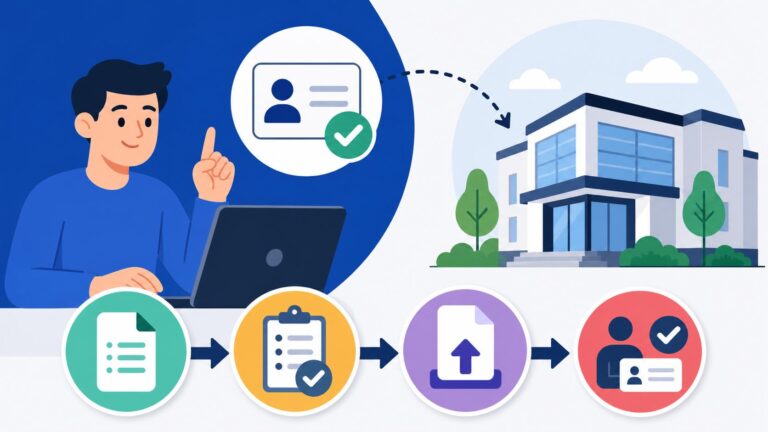
The refund process does not start at the airport; it starts at the cash register. You cannot simply bring a standard receipt to the airport and expect a refund. You must ask for a Special Tax-Free Invoice (Yetkili Satıcı Faturası). In big malls like Zorlu Center or Emaar Square, most high-end brands are very familiar with this. You will need to present your physical passport. A digital copy on your phone is rarely accepted by the strict Turkish billing systems. The salesperson will enter your passport number, full name, and nationality into their system to generate the three-part "Tax Free" form.
Always double-check that your name on the form matches your passport exactly. Also, ensure the shop is part of an authorized network like Global Blue or Tax Free World. These companies act as intermediaries. While they take a small commission from your refund, they make the process significantly smoother. If you are managing your trip funds via Money in Turkey for Expats: Banking, Payments, and Finance Guide (2027), keep these physical documents in a dedicated folder; if you lose them, there is no digital "backup" that the customs office will accept.
Navigating the Customs Validation at the Airport
This is the "make or break" moment. When you arrive at Istanbul Airport (IST), Sabiha Gökçen (SAW), or even Antalya Airport, you must find the Customs Certification Desk (Gümrük Onay) before you check your luggage. This is the mistake that costs most people their refund. If your refundable items are inside a suitcase that has already disappeared down the conveyor belt, the customs officer cannot verify them, and they will refuse to stamp your forms.
The customs desk is usually located near the check-in counters. You must present your passport, the tax-free invoices, and the goods themselves. For high-value items like luxury watches or high-end tech, the officer will almost certainly ask to see the item. Once they are satisfied, they will apply a physical or digital stamp to your invoice. Turkey has moved toward a more integrated electronic system, but the physical stamp remains the gold standard for security. Only after you have this validation can you proceed to check in your bags and head through passport control.
| Item Category | Average KDV Rate | Typical Refund (After Fees) |
|---|---|---|
| Luxury Fashion & Leather | 10% | 6% – 8% |
| Electronics & Smartphones | 20% | 14% – 16% |
| Cosmetics & Perfumes | 20% | 13% – 15% |
| Carpets & Home Textiles | 10% | 7% – 8% |
| Jewelry & Watches | 20% | 15% – 17% |
Collecting Your Cash or Credit Post-Security
Once you have cleared passport control and are officially in the "international" side of the terminal, you need to find the refund office that corresponds to the logo on your paperwork (e.g., Global Blue). These offices are generally open 24/7 at major hubs like Istanbul Airport. You have three main choices for how to receive your money: cash in Turkish Lira, cash in a foreign currency like USD or EUR, or a credit back to your card.
If you choose cash, be prepared for a slightly lower exchange rate if you want Euros or Dollars. If you choose a card refund, it can take anywhere from five days to three weeks to appear. For those who use Best International Money Transfer Apps for Turkey: Using Wise and Remitly, having your refund sent to a multi-currency account like Wise is often the smartest move to avoid the terrible conversion rates offered by airport kiosks. I personally prefer the card refund; while it requires a bit of patience, you avoid the long queues at the cash desks, which can be nightmarish during peak summer travel.
Common Pitfalls and Veteran Tips
The most common reason for a rejected refund isn't the paperwork—it's the clock. Airport queues in Turkey can be unpredictable. If your flight is at 2:00 PM, you should ideally be at the airport by 11:00 AM if you intend to claim KDV. The walk from the customs desk to the refund office at the massive new Istanbul Airport can take 20 minutes alone. If you're rushing to your gate, you might find yourself abandoning a 2,000 TL refund just to catch your flight.
Another tip: if you are buying a smartphone, remember that Turkish electronics prices are among the highest in the world due to additional taxes like the ÖTV. Even with a KDV refund, an iPhone bought in Turkey might still be more expensive than one bought in the UK or the US. Always compare the total cost after refund against your home country’s prices. If you're curious about the general overhead of staying here, checking the Cost of Living in Turkey 2026: Detailed Budgets for Singles and Families will give you a better perspective on why these taxes are structured the way they are.
Security and Privacy During the Process
When you are handling your passport and financial documents at the airport, stay vigilant. Airport Wi-Fi is notoriously unencrypted and can be a target for data harvesters. If you are checking your bank balance or using a tax-refund app to track your claim, I highly recommend using NordVPN to ensure your connection is secure. Public spaces like the refund lounge are prime spots for digital snooping.
Additionally, once you have your refund, you might be wondering where to put that "found" money. If you have a long-term interest in the region, some expats choose to move their savings into platforms like Binance for crypto liquidity or Trade Republic to keep their Euros working in the markets while they travel. Getting a KDV refund is essentially getting a 10-15% discount on your entire shopping trip, so it’s worth the extra hour of effort at the terminal.
Managing Complex Paperwork and Resident Transitions
If you are in the middle of a transition, perhaps moving to a different city and looking at Best Neighborhoods in Ankara for Diplomats, Politicians, and Professionals, be very careful about the timing of your "tourist" status. Once your residency is approved in the system, the Tax Free office will see your 99-starting ID number linked to your passport, and they will flag your invoice as "ineligible."
Some people try to "game" the system by using a friend's passport, but Turkish customs are sharp. They check the name on the flight ticket against the name on the tax-free invoice. If they don't match, you could face more than just a rejection; you could be flagged for tax evasion. Always play it by the book. For a deeper understanding of how the state views your presence and your money, read up on Taxes in Turkey for Foreigners: Residency, Income, and Filing Basics to ensure you're always on the right side of the law.
Final Checklist for a Successful KDV Refund
Before you leave your hotel for the airport, do a final sweep. Do you have the original tax-free invoice? Is it signed by the shop? Is your passport easily accessible? Are the items you're claiming for at the top of your suitcase or in your carry-on? By following this structured approach, you can turn a confusing administrative hurdle into a rewarding "bonus" at the end of your Turkish adventure.
Remember that the Money in Turkey for Expats: Banking, Payments, and Finance Guide (2027) is constantly evolving, and while the digital shift in 2026 has made things faster, the fundamental requirement for physical inspection of goods remains. Treat the customs officer with respect, have your documents organized, and you'll find the process much less daunting than the rumors suggest. Using tools like e-Devlet Financial Services: Tracking Taxes, SGK Debts, and Bank Accounts can also help you keep track of any other financial ties you have to the country before you depart.
Important Disclaimer
The information provided in this guide is for informational purposes only and does not constitute legal, financial, or tax advice. Tax regulations in Turkey, including KDV rates and refund eligibility, are subject to change by the Ministry of Treasury and Finance. While we strive to provide the most up-to-date details, always verify current requirements with official Turkish Customs or a qualified tax professional before making major purchases. The author is not responsible for any rejected refund claims or financial losses.