Biometric Appointments (Randevu) at the Provincial Migration Office (Göç İdaresi)
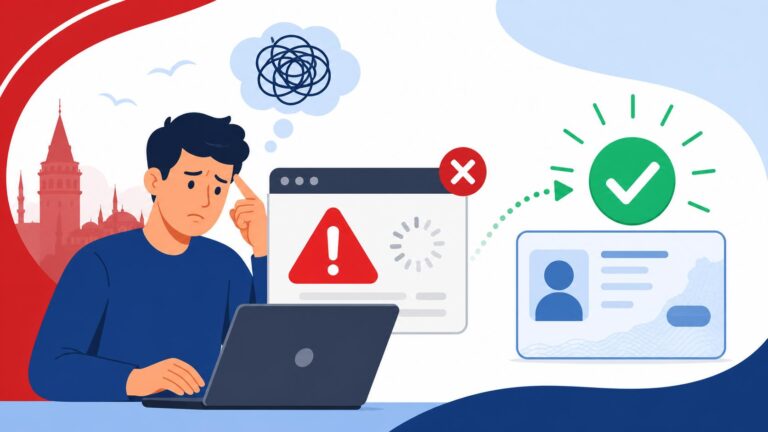
The "system error" message on the e-Ikamet website is a rite of passage every expat in Turkey eventually faces, usually at 2:00 AM while fueled by far too much çay. I remember my first appointment in Istanbul vividly; I showed up three hours early, clutching a pink folder like it was a holy relic, only to realize I’d forgotten a single photocopy. This guide navigates the labyrinth of the biometric appointment (Randevu) at the Provincial Migration Office (Göç İdaresi) to ensure your residency path is as smooth as possible.
The Foundation of a Successful Randevu
Securing your appointment date is only half the battle. The real work begins in the weeks leading up to your visit to the Göç İdaresi. The Turkish authorities have become significantly more meticulous regarding the "dossier" you present. If your paperwork is disorganized or incomplete, the officer has the discretion to give you 30 days to fix it—or worse, reject the application on the spot. You need to approach this with the mindset of a librarian preparing a rare manuscript.
Securing Valid Health Insurance
One of the most common reasons for appointment delays is presenting an insurance policy that doesn't meet the specific "Ikamet-compliant" criteria. For most expats, especially those under 65, you need a policy that explicitly states it covers the requirements of the circular regarding private health insurance for residence permits. While local "foreigner insurance" is the budget-friendly choice for a visa, many seasoned residents prefer more robust coverage.
For instance, Health Insurance Requirements: Securing a Policy for First-Time Ikamet Applications are quite specific about coverage limits for inpatient and outpatient care. If you are looking for a plan that works globally but is still accepted by the Turkish authorities, Cigna Global offers comprehensive options that provide a higher level of care than the bare-minimum local policies. Using Cigna Global ensures that if you are traveling outside Turkey, you aren't left vulnerable, all while checking the box for your residency paperwork.
Financial Sufficiency and Bank Statements
The "Financial Sufficiency" requirement has shifted from a casual glance at a bank app to a demand for stamped, signed, and often translated documents. You generally need to prove you have at least the equivalent of the Turkish minimum wage for each month of residency you are requesting. If your funds are in a foreign bank, the Göç İdaresi often requires these statements to be translated and notarized locally.
When dealing with foreign bank statements or proof of pension, the translation must be flawless. Any discrepancy in numbers or names can trigger an Ikamet Rejections: Exact Steps on What to Do If Your Residence Permit is Denied. This is where a professional service like RushTranslate becomes invaluable. They can handle the certified translation of your financial documents quickly, which you then take to a Turkish notary (Noter) for the final stamp. Having clear, professional translations from RushTranslate reduces the friction during the document review stage of your appointment.
The Role of the Tax ID Number
You cannot pay your residency fees without a Vergi Numarası (Tax ID). Many newcomers end up standing in the Göç İdaresi line only to be sent away because they hadn't visited the tax office first. Fortunately, this can now be done online. Once you have this number, you can pay your "Card Fee" and "Residence Tax" via the Interactive Tax Office website or at a Ziraat Bank branch. Keep those receipts; they are the most important pieces of paper in your folder. Without them, your biometric data cannot be processed into the system.
Navigating the e-Ikamet System
The e-Ikamet portal is the gatekeeper of your legal status in Turkey. It is notorious for being temperamental, especially during peak renewal seasons in the spring and autumn. Understanding how to interact with this digital interface is the first hurdle in the Turkish Residence Permits (Ikamet): The Complete Application Guide (2027). If the site doesn't load, try using a different browser or clearing your cache; it sounds like basic advice, but it’s a daily reality for expats here.
Choosing the Correct Provincial Office
In large cities like Istanbul or Ankara, you may be assigned to a specific district office based on your registered address. However, sometimes the system allows you to choose. A pro-tip from a veteran: don't just pick the one closest to your house. Some offices, like the main Fatih branch in Istanbul, are notoriously crowded and can be more "strict" simply due to the sheer volume of applicants.
Check Navigating Closed Neighborhoods: A Guide to Areas Where Foreigners Cannot Register before you even sign a rental contract. If you live in a "closed" neighborhood, the system might not even let you book an appointment for a new permit. Ensure your Address Registration (Nüfus): The Most Critical Post-Arrival Step for Foreigners is completed correctly, as the e-Ikamet system pulls data directly from the national address database. If there is a mismatch, the "Randevu" button simply won't appear.
Document Preparation Checklist
The night before your appointment, go through your folder one last time. You need the printed application form (signed), four biometric photos (white background, very specific dimensions), your original passport and a copy of the ID page and last entry stamp, your insurance policy, and your address proof. If you are renewing, include your current ID card.
| Document Name | Requirement Type | Notary Required? |
|---|---|---|
| Application Form | Original (Signed) | No |
| Passport Copy | Color Photocopy | Yes (for some offices) |
| Health Insurance | Stamped/Signed Original | No (if local) |
| Rental Contract | Notarized Copy | Yes |
| Biometric Photos | 4 Units (White BG) | No |
| Tax Payment Receipts | Original Printouts | No |
If any of your primary documents, like a marriage certificate for a family permit, are in a foreign language, they must be translated. I’ve found that using RushTranslate for the initial English-to-Turkish or native-language-to-Turkish translation saves a massive amount of time. Once RushTranslate provides the certified copy, you take it to a Turkish "Yeminli Tercüman" (Sworn Translator) for the final local authentication. It's a two-step process, but it ensures accuracy that a local, overworked translator might miss.
The Day of the Appointment: A Step-by-Step Walkthrough
Walking into a Göç İdaresi building can feel intimidating. There are metal detectors, guards in uniforms, and hundreds of people from every corner of the globe. Take a deep breath. If you have your folder and your appointment SMS or email, you are already ahead of the game.
Security and Initial Triage
When you arrive, you will usually show your appointment confirmation to a guard at the entrance. They will give you a queue number (Sıra Numarası). Pay attention to the screens. The offices are divided by "Short-Term," "Family," and "Student" permits. Ensure you are in the right waiting area. In cities like Antalya, the triage process is quite efficient, but in Istanbul, you might be waiting for several hours.
While you wait, keep your Health Insurance Requirements: Securing a Policy for First-Time Ikamet Applications document accessible. Often, a triage officer will walk through the rows and do a "pre-check" of your files to ensure you aren't wasting your time in line. If you have a comprehensive policy like Cigna Global, make sure you have the Turkish summary page printed out, as officers rarely have the patience to scroll through a 50-page English policy on your phone.
The Interview and Document Submission
When your number is called, you will go to a desk to meet with a Migration Officer. This is not an "interview" in the scary sense; it is a document verification process. They will go through your folder page by page. They might ask simple questions in Turkish or English: "Why are you living here?" "Where do you work?" Answer honestly and concisely.
If they find a mistake, don't panic. Usually, they will give you a "Tebligat" (notification) form listing the missing documents. You typically have 30 days to bring the corrected papers back to the same desk without needing a new appointment. This is common if your Address Registration (Nüfus): The Most Critical Post-Arrival Step for Foreigners hasn't updated in their system yet.
Biometric Data Collection: Fingerprints and Photos
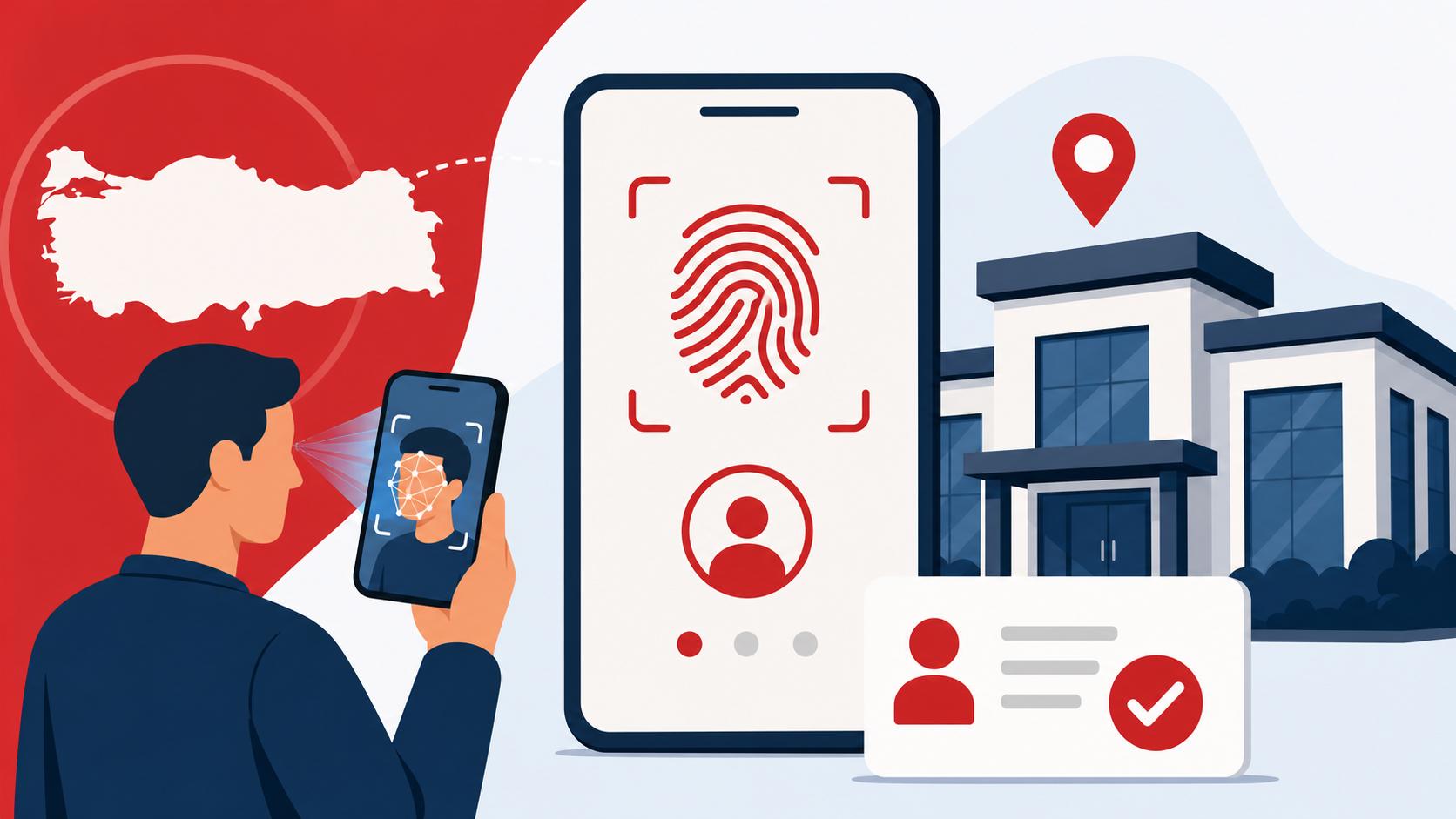
Once the officer accepts your folder, you will be directed to the "Parmak İzi" (Fingerprint) station. This is the biometric core of the appointment. You will have all ten fingers scanned digitally, and they will take a digital photo of your face. This data is linked to your 99-number, which is your unique foreigner identification number in Turkey.
This biometric data is what makes your card secure. It's also why you must appear in person; you cannot send a lawyer or an agent to do your fingerprints. For those applying for Turkish Citizenship by Investment 2026: The $400,000 Property Route Explained, this step is equally mandatory and serves as the final verification of your identity before the file moves to Ankara for final approval.
Post-Appointment: The Waiting Game
Once you walk out of the Göç İdaresi, you are in a state of "legal limbo." You are no longer a tourist, but you don't yet have your card. The officer should have given you a signed and stamped "Application Document" (Müracaat Belgesi). This paper allows you to stay in Turkey legally until your card arrives.
Tracking Your Card with PTT
Your residency card is printed in Ankara and sent via PTT (the Turkish postal service) to your registered address. You will receive a text message with a tracking code once the card is dispatched. It is critical that your name is on your mailbox or that the "Kapıcı" (building manager) knows to expect it. If the PTT carrier can't find you, they will return the card to the local PTT branch, and eventually, it goes back to the Göç İdaresi.
You can use the e-Ikamet System: How to Apply, Renew, and Track Your Residence Permit portal to check the status. If it says "Approved" (Kabul Edildi), your card should be in your hands within 10 to 14 days. If it has been more than 30 days, you might need to visit your local PTT with your passport to see if they are holding it.
Travel Restrictions While Pending
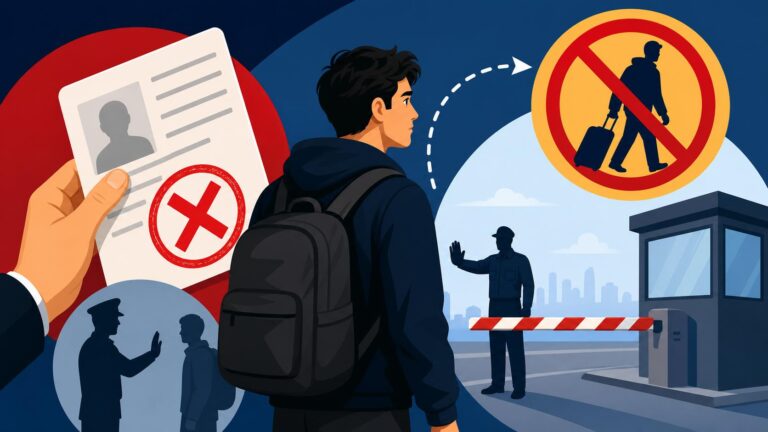
One of the biggest mistakes expats make is leaving the country while their application is pending. With your "Müracaat Belgesi," you can leave Turkey for up to 15 days, but only if you have paid your taxes and the document is stamped. If you stay out longer than 15 days without your actual ID card, your application could be cancelled, leading to Overstays, Fines, and Deportation: Navigating Harsh Immigration Rules in Turkey.
Always wait for the physical card if you plan on a long trip home. If an emergency arises, consult with a legal professional. Having a global insurance policy like Cigna Global is helpful here, as it ensures you are covered regardless of which country you are in while waiting for your Turkish status to solidify.
What to Do If Your Application is Rejected
Rejections are becoming more common as Turkey tightens its immigration policies. If you receive a rejection SMS, you generally have 10 days to leave the country. However, you also have the right to file an appeal. If the rejection was due to a technicality, like a document translation error, you might be able to fix it through a Step-by-Step: Filling Out the Complex e-Ikamet Application Form Online correction or an administrative appeal.
Using a service like RushTranslate for your appeal documents can ensure that your legal arguments are clearly understood by the court. Often, rejections happen because a foreign document wasn't "Apostilled" or translated by a sworn professional. Re-submitting with high-quality, certified translations can sometimes turn a "No" into a "Yes."
Essential Tips for the Göç İdaresi
To survive your randevu with your sanity intact, keep these "street-smart" tips in mind. The process is as much about patience as it is about paperwork.
- Dress Respectfully: You don't need a suit, but appearing neat and professional can subtly influence the officer's perception of you as a "high-quality" resident.
- Bring a Power Bank: You might be sitting in a waiting room for four hours with no access to a charging port.
- Don't Bring "Help": Unless you need a translator, try to go alone. The waiting rooms are crowded, and guards often kick out "extra" friends or family members who don't have an appointment.
- The "Blue Folder" Rule: While not a law, almost everyone uses the transparent blue or pink folders (dosya) available at every stationary shop (Kırtasiye) near the office. It keeps your papers organized in the order the officers prefer.
- Check Your SMS: The Göç İdaresi communicates almost exclusively via SMS. Ensure your phone is not blocking messages from unknown senders.
If you are transitioning from a different permit type, such as Switching Directly from a Tourist Visa to a Corporate Work Permit Inside Turkey, the biometric appointment is the bridge between those two worlds. Even if you have been in Turkey for years, every "Randevu" feels like a first date—nerve-wracking, but necessary for the life you want to build here.
Handling Administrative Hurdles Locally
Sometimes the hurdles aren't at the Göç İdaresi but at the supporting offices. For example, your notarized rental contract is a cornerstone of your application. You must take your landlord to the notary with you, or have a specific type of contract that the notary will accept. If the landlord refuses, you may need to look into Real Estate Residence Permits: Understanding the Strict USD 200,000 Tapu Rule if you are a homeowner, as the requirements for owners are slightly different.
Furthermore, ensure your foreign documents have an Apostille stamp from your home country. Without an Apostille, a Turkish notary cannot legally "recognize" the document, and a translation from RushTranslate, while accurate, won't be enough to satisfy the legal requirement for authentication. Always get the Apostille in your home country before you fly to Turkey.
Using e-Devlet for Post-Appointment Updates
Once you have your residency card, the Turkish digital government portal, e-Devlet, becomes your best friend. You can use it to download your address certificate, check your health insurance status, and even see if your Biometric Appointments (Randevu) at the Provincial Migration Office (Göç İdaresi) has been officially logged in the central system.
Many expats forget that getting the card is just the beginning. You must then register that card number with your bank, your utility providers, and your mobile phone company to move from "tourist" rates to "resident" rates. For example, your mobile data plan will become significantly cheaper once you show your 99-number to Turkcell or Vodafone. It’s the little victories like these that make the hours spent in the Göç İdaresi waiting room feel worth it.
Disclaimer
The information provided in this guide is for general informational purposes only and does not constitute legal advice. Immigration laws and procedures in Turkey are subject to frequent change. Always verify current requirements with the official Republic of Türkiye Ministry of Interior Presidency of Migration Management (Göç İdaresi) or a qualified legal professional before making any residency-related decisions.