Do I Need to Deposit a Large Cash Sum to Open a Turkish Bank Account?
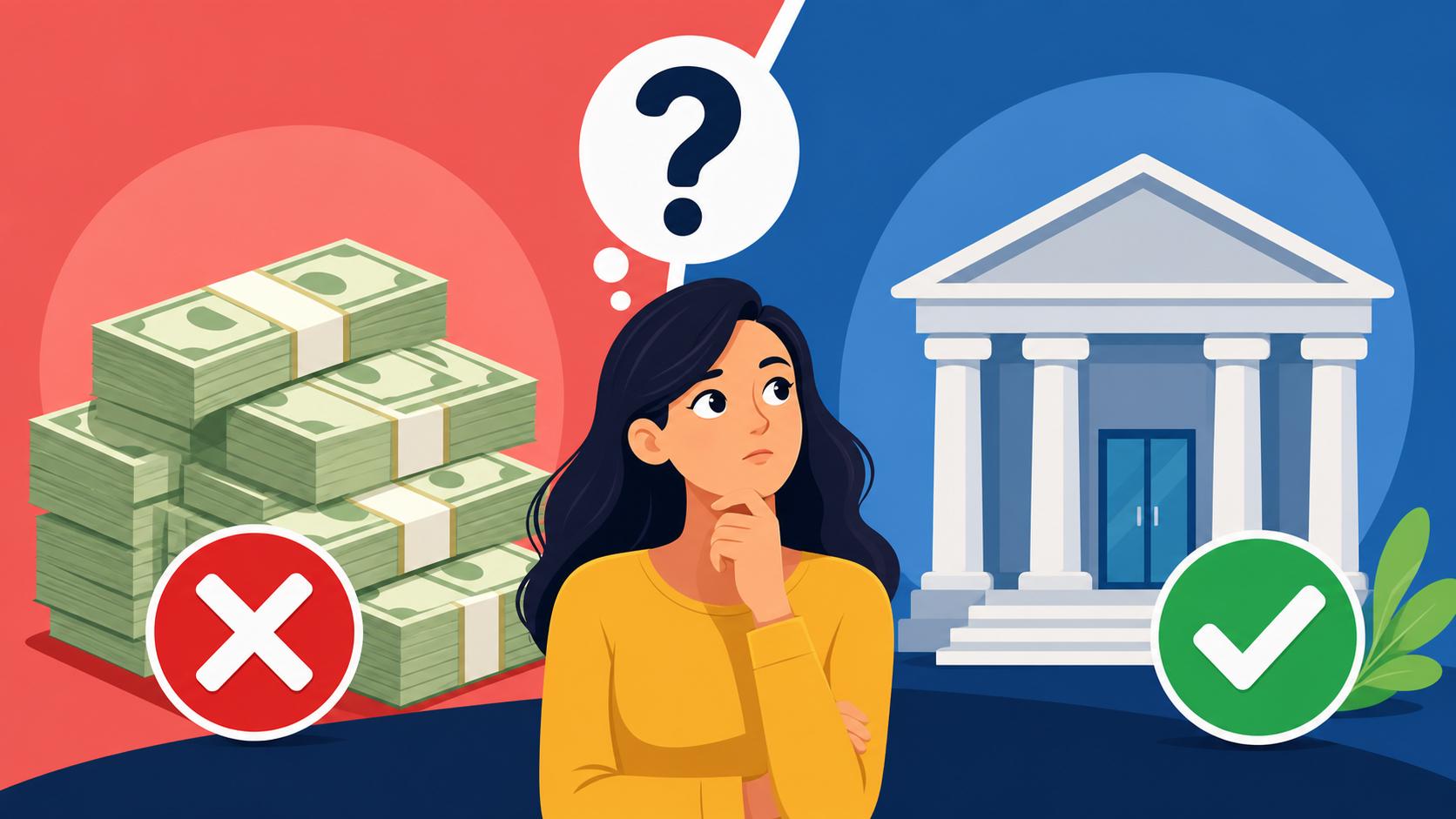
Walking into a gleaming marble-floored bank branch in Istanbul only to be told you must deposit five thousand dollars just to open a basic account is a rite of passage for many expats. I remember standing in a Ziraat branch in 2021, face-to-face with a manager who insisted on a massive "blockage" deposit, feeling like I was being targeted as a walking wallet. This guide demystifies the arbitrary deposit demands of Turkish banks and teaches you how to navigate these hurdles successfully.
The Reality of Minimum Deposits in Turkish Banks
There is a significant difference between official Turkish banking regulations and the "branch-level" policies you encounter on the street. Legally, there is no state-mandated minimum deposit required for a foreigner to open a bank account in Turkey. However, if you have spent more than a day in the country, you know that what the law says and what the person behind the desk says are often two different things.
The "large cash sum" demand is almost always a localized branch policy or, more accurately, a strategy used by branch managers to filter out what they perceive as "high-maintenance" or "low-value" foreign clients. Because foreigners involve more paperwork—verifying Step-by-Step: Applying for a Tax ID Number at the Interactive Tax Office and cross-referencing residency status—some branches simply don't want the hassle unless you are bringing a significant amount of liquidity to their books.
Why Branch Managers Demand Large Deposits
To understand why a clerk might ask for a 50,000 TL or $5,000 deposit, you have to look at their performance metrics. Bank branches in Turkey operate like individual profit centers. Opening an account for a local takes five minutes. Opening one for a foreigner can take forty-five minutes and requires compliance checks that might get flagged by the head office.
If you are just a "tourist" or a "short-term resident" looking for a place to park a few hundred lira to pay bills, the branch manager sees a high risk of "compliance headaches" with very little profit. By demanding a large deposit—often to be held in a "blocked" state for 3 to 6 months—they ensure the branch meets its deposit targets. It is essentially a negotiation tactic. If you encounter this, it’s often a sign that you should simply walk to the next branch down the street.
The Blocked Account vs. The Active Deposit
You must distinguish between a bank asking you to deposit money and a bank asking to block money. Some branches will open your account if you agree to put a certain amount into a time-deposit account (Vadeli Hesap). This is actually beneficial in high-inflation environments if the interest rate is competitive.
However, other branches may ask for a "security deposit" that stays in a non-interest-bearing account for months. This is a raw deal. While you are trying to figure out Money in Turkey for Expats: Banking, Payments, and Finance Guide (2027), you should avoid any deal that locks up your capital without interest, especially given the volatility of the Lira. Using an app like Wise can help you hold your funds in more stable currencies until you actually need to move them into a Turkish account for local expenses.
Factors That Influence the Deposit Ask
Your profile as an expat determines whether the bank sees you as a valued client or a compliance risk. Not all foreigners are treated equally in the Turkish banking system. The "large sum" requirement often melts away if you can prove you are a long-term resident with local ties.
The Power of the Ikamet (Residence Permit)
The single most important factor is your Turkish Residence Permits (Ikamet): The Complete Application Guide (2027). If you have a valid residency card (99-number), you are officially in the system. Banks are much more comfortable with residents because they have a registered address and a legal status that the bank can verify on the spot.
If you are a resident, you should rarely have to pay a large deposit. If a branch insists on one, they are likely trying to sell you an insurance product or a high-yield savings plan. In contrast, if you are a tourist trying to open an account without an ikamet, you will almost certainly be asked for a massive deposit, often ranging from $2,500 to $10,000, because you are considered a "transient" client.
Employment and Local Income
If you are working for a Turkish company, the deposit requirement usually vanishes. Most employers have a "protocol" with a specific bank (like Garanti BBVA or İş Bankası) where they handle the staff's payroll. If you walk into the branch where your company holds its main account and show your work permit, they will open your account immediately with zero deposit.
For digital nomads or retirees, the situation is stickier. Since you aren't bringing "local" value to the bank's ecosystem, they look at your foreign income. This is where having a tool like Trade Republic becomes useful; showing a healthy investment portfolio or savings elsewhere can sometimes convince a premium branch manager that you are a "high-net-worth" individual worth the paperwork, even without a local salary.
Strategies to Avoid Large Deposits
If you’ve been told "no" or "pay up" at one branch, don't lose heart. The Turkish banking landscape is incredibly fragmented. The clerk at the Ziraat in Beşiktaş might be having a bad day, while the clerk at the Ziraat in Levent might be three clients short of their monthly quota and happy to help you.
Shopping Around and Branch Hopping
This is the "Golden Rule" of Turkish administration: if you don't like the answer at one desk, go to the next one. New arrivals are often advised to spend a morning "branch hopping." Visit three different banks in a non-tourist neighborhood. Avoid branches in Sultanahmet, Taksim, or the heart of Alanya, as these offices are overwhelmed with foreigners and have the strictest deposit requirements to keep the crowds at bay.
Instead, go to a residential neighborhood like Üsküdar or a business district like Maslak. When you enter, ask for the "Foreign National Customer Representative" (Yabancı Müşteri Temsilcisi). These individuals are trained specifically for our paperwork and are less likely to give you a hard time about deposits.
The Importance of a Local Introduction
Turkey is a "who you know" culture. If you have a Turkish friend or a landlord who has a long-standing relationship with a specific branch, ask them to come with you. An introduction from a "valued" local client can waive almost any deposit requirement. The manager isn't just opening an account for a stranger; they are doing a favor for a loyal customer.
During these visits, ensure you are using a secure connection if you need to pull up financial documents on your phone or laptop. I always keep NordVPN active when accessing my home country’s banking apps or Trade Republic in public spaces like bank lobbies to ensure my sensitive data isn't intercepted on the bank's guest Wi-Fi.
Alternatives to Traditional Turkish Banking
In 2026, you may find that you don't actually need a traditional Turkish bank account as much as you thought. Many of the hurdles involving Opening a Bank Account in Turkey: Rules for Expats, Tourists, and Investors can be bypassed by using international financial technology.
Using Wise for Daily Transactions
For many expats, Wise is the primary solution. You can receive your foreign salary in USD or EUR and convert it to TRY at the mid-market rate whenever you need it. While you can't pay your "SGK" or "taxes" directly through Wise yet, you can send TRY via the IBAN system to any Turkish person or business. This removes the pressure of needing a local account for everything.
If you are only in Turkey for a few months, don't bother with the bank deposit headache. Just use Wise and a local prepaid card like Papara for your groceries and rent. It saves you the stress of Navigating High Inflation: Budgeting Strategies for Expats Earning Turkish Lira while keeping your main capital in a more stable environment.
Crypto and Digital Assets
For those who need to move larger sums without the bank's prying eyes or massive deposit hurdles, Binance has become a staple of the Turkish expat experience. Turkey has one of the highest crypto adoption rates in the world for a reason. You can move funds from your home country into Binance, then sell them for TRY via P2P (Peer-to-Peer) directly into a local account once you eventually get one open.
This is particularly helpful if you are trying to avoid the "Why are you receiving $5,000 from abroad?" questions that local banks love to ask. Just remember to use NordVPN when accessing Binance or any exchange to keep your account location stable and your transactions private, especially if you are traveling between Turkey and other jurisdictions.
| Bank Type | Typical Deposit (No Ikamet) | Typical Deposit (With Ikamet) | Expat Friendliness |
|---|---|---|---|
| Ziraat Bank | High ($2,000+) | Low to None | Low (Bureaucratic) |
| Garanti BBVA | Moderate | None | High (Good App) |
| İş Bankası | Moderate | None | High (English Support) |
| VakıfBank | High | Low | Moderate |
| Kuveyt Türk | Variable | None | High (Very Expat Friendly) |
Document Checklist to Lower the Barrier
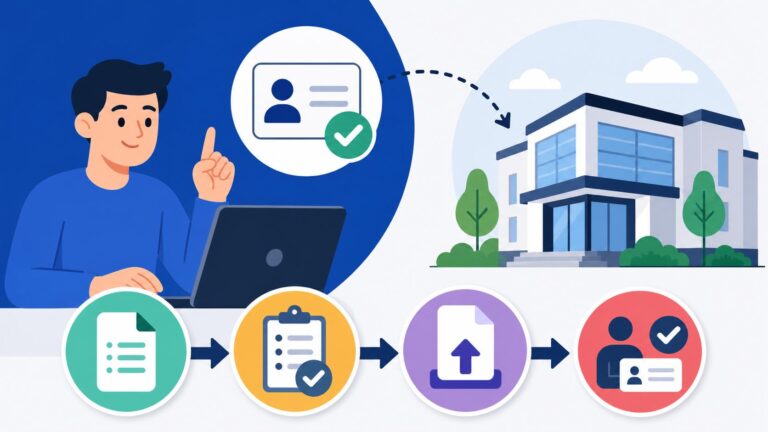
The more prepared you are, the less likely a clerk is to demand a "security deposit." If you look like you know exactly what you are doing, they treat you with more professional respect. Before you head to the bank, ensure you have every piece of paper perfectly organized.
- Tax ID Number: You can get this in five minutes online. Do not go to the bank without it.
- Passport and Notarized Translation: Some banks require a notarized copy of your passport's photo page. It’s better to have it and not need it.
- Proof of Address: This is the big one. If you have an ikamet, show your Using e-Devlet to Register Your Address at the Local Nüfus Directorate certificate. If you don't, you must bring a translated utility bill from your home country.
- Turkish Phone Number: You cannot open a bank account with a foreign number. The SMS verification systems for mobile banking simply won't work.
If you bring all of these, plus a friendly attitude, you are much more likely to walk out with an active IBAN and no empty pockets. If the clerk still asks for a large sum, don't argue. Just say "Teşekkür ederim" (Thank you), walk out, and try the next bank.
Managing Your Funds Post-Opening
Once you have successfully opened the account without a massive deposit, the challenge becomes managing the money. Inflation is a constant shadow in Turkey. Keeping a massive balance in Lira is rarely a good idea.
Diversifying Your Local Accounts
Most Turkish banks allow you to open "sub-accounts" in USD, EUR, and even Gold (Altın) within your mobile app. Once your main account is open, move your Lira into a Gold account or a USD account to protect your purchasing power. If you are keeping money for long-term growth, consider keeping the bulk of your savings in Trade Republic where it can earn interest in a more stable currency.
Security and Online Access
Turkish mobile banking apps are surprisingly advanced—often better than those in the US or UK. However, they are also targets for fraud. Always ensure you are using a secure connection. If you are managing your Turkish bank account while traveling outside the country, you might find the app blocks you. Using NordVPN to set your location back to Istanbul or Ankara can help you bypass these "security" geo-blocks and manage your bills from anywhere in the world.
Important Disclaimer
The information provided in this guide is based on personal expat experiences and the prevailing banking climate in Turkey today. Banking policies in Turkey are subject to frequent and sudden changes by the BRSA (BDDK) and individual bank boards. Requirements can vary significantly between cities and even between two branches of the same bank on the same street. Always verify current requirements directly with the branch and consult with a qualified financial advisor or legal professional before making significant financial commitments or deposits. This content is for informational purposes only and does not constitute financial or legal advice.